Florida Foreclosure Rates Hit a 6-Year High in 2026 - What Broward County Homeowners Should Do Now
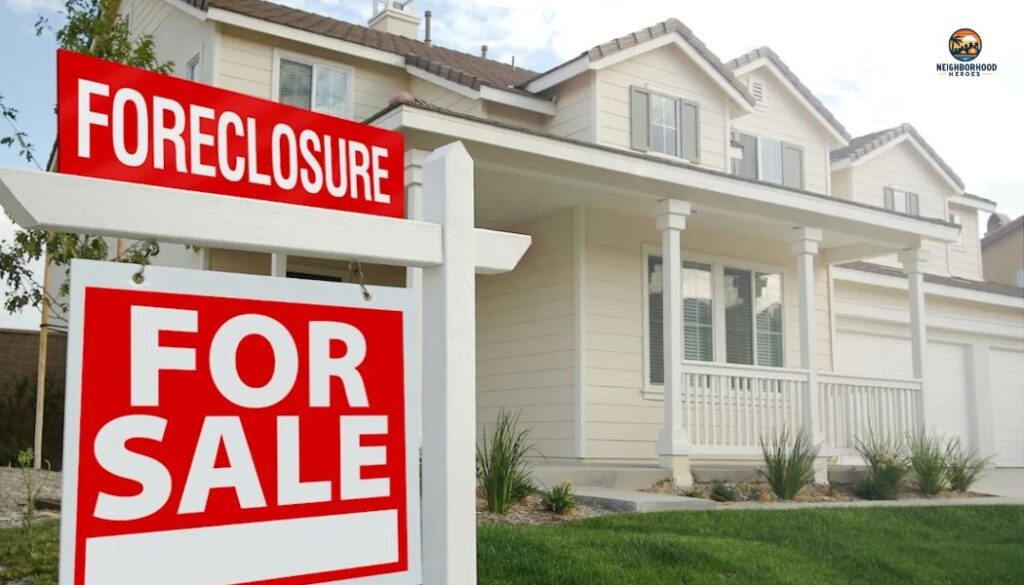
If you’ve fallen behind on your mortgage, or you’re current but worried, you’re not imagining things. Foreclosure activity in Florida just hit its highest level in six years, and Broward County homeowners are feeling it more than almost anywhere else in the country.
Here’s what’s actually happening, why it’s hitting Florida so hard, and what you can do before the courthouse gets involved.
Florida's Foreclosure Numbers in 2026, at a Glance
Foreclosure filings nationwide climbed sharply through the first half of 2026, with Florida consistently ranking among the top three hardest-hit states. Recent ATTOM data estimates Florida’s foreclosure rate at roughly 1 in every 750 housing units, while Lakeland and Punta Gorda recorded some of the highest foreclosure rates of any U.S. city.
Closer to home, Jacksonville and Orlando both ranked among the top 20 large U.S. metros for foreclosure activity, reflecting continued pressure across major Florida housing markets.
The trend also shows no clear signs of easing. Analysts expect foreclosure activity to continue rising through 2026, driven by a combination of higher insurance premiums, elevated interest rates, increasing HOA fees, and weakening buyer demand.
Why Florida Homeowners Are Getting Hit Hardest
This isn’t 2008. Most homeowners facing foreclosure in 2026 aren’t over-leveraged speculators, they’re regular families getting squeezed from every direction at once:
Insurance costs have exploded. Florida homeowners now pay dramatically more for coverage than the rest of the country, and in some regions premiums have jumped over 40% since 2023 alone. When insurance becomes unaffordable, some homeowners let coverage lapse, and that alone can trigger default, even if the mortgage payment itself is current.
Condo assessments are forcing hard choices. Following new structural safety requirements for older condo buildings, many associations have issued special assessments ranging from the low five figures to well over $100,000 per unit. For owners on a fixed income, that bill can be the tipping point.
“Zombie foreclosures” are resurfacing. Some lenders are restarting cases that were paused years ago during pandemic-era protections, leaving homeowners who assumed the issue was resolved suddenly back in an active foreclosure process.
Judicial foreclosure means longer, costlier timelines. Florida requires court approval at every stage, and the average case now drags on for well over 500 days. That’s over a year of stress, legal notices, and mounting fees before a resolution, unless the homeowner takes action sooner.
You Can Be "Current" and Still Be at Risk
This is the part most homeowners don’t realize until it’s too late: falling behind on mortgage payments isn’t the only path to foreclosure. An insurance lapse, an unpaid HOA or condo assessment, or a property tax delinquency can all trigger default proceedings, even when your mortgage payment history looks clean.
At Neighborhood Heroes, we help homeowners understand these hidden risks early so they can take action before the situation escalates into foreclosure.
If any of the following apply to you, it’s worth getting ahead of it now rather than waiting for a notice in the mail:
- You’re behind on mortgage payments (even by one or two months)
- Your homeowner’s insurance was cancelled or is about to lapse
- You received a special assessment you can’t cover
- You’re managing an inherited home with unpaid carrying costs
- You’ve received any formal notice from your lender or HOA
What Actually Happens During a Florida Foreclosure
- Loan modification or forbearance – Negotiate new terms with your lender.
- Short sale – Sell for less than what’s owed, with lender approval, to avoid a full foreclosure on your record.
- Sell for cash, as-is – Close in as little as under 30 days, skip repairs, skip agent fees, and pay off the loan before judgment.
- Deed-in-lieu of foreclosure – Hand the property back to the lender, in some cases with less credit damage than a completed foreclosure.
A fast, as-is cash sale is often the option that gives homeowners back the most control, because it removes the deadline pressure entirely. We regularly help Broward County homeowners avoid foreclosure by closing in under 30 days, with no repairs, no fees, and a flexible timeline built around the court schedule, not the other way around.
Conclusion
Florida’s 2026 foreclosure surge isn’t a distant statistic, it’s showing up in Broward County mailboxes right now, often triggered by insurance costs and assessments rather than missed payments alone. The single biggest mistake homeowners make is waiting to see if the problem resolves itself. It usually doesn’t, and the foreclosure timeline moves faster than most people expect once it starts.
If you’re behind on payments, dealing with an insurance lapse, or just want to understand your options before things escalate, Neighborhood Heroes can give you a fair, no-obligation cash offer and close on your timeline, no repairs, no agent fees, no waiting for the court date to arrive. Contact us today to speak with a Neighborhood Heroes representative and explore your options before foreclosure progresses further.
Frequently Asked Question
Can I sell my house if it's already in foreclosure?
Yes. In most cases, you can sell your home any time before the foreclosure sale actually happens. A cash sale can pay off the outstanding loan balance and stop the process before it reaches auction.
Will foreclosure ruin my credit permanently?
A completed foreclosure typically stays on your credit report for seven years, but its impact lessens over time, and options like a short sale or a pre-foreclosure sale generally cause less long-term damage than a completed foreclosure or bank repossession.
What if I'm currently on my mortgage but got an insurance cancellation notice?
Address it immediately. An insurance lapse can trigger a lender-placed policy at several times the normal cost, or in some cases default proceedings, even without a missed mortgage payment.
How fast can I actually sell before the foreclosure sale date?
Cash sales can often close in under 30 days, which is frequently enough time to close before a scheduled foreclosure auction, provided you act as soon as you receive notice.
Do I need to make repairs before selling to avoid foreclosure?
No. Reputable cash buyers, including Neighborhood Heroes, purchase homes as-is regardless of condition, so repairs are never a barrier to a fast sale.