
The Burden of Vacant Property Ownership in Oakland Park
Owning a vacant property can create ongoing stress and financial strain that many owners don’t anticipate. Whether your property is vacant due to probate delays, waiting for a sale, a failed rental situation, or inherited circumstances, maintaining an empty property can quickly become overwhelming.
A vacant property generates no income while still incurring costs. Property taxes, insurance, utilities, maintenance, and security measures all add up. On top of that, vacant properties deteriorate faster. Without regular occupancy and upkeep, small issues like roof leaks can turn into costly structural damage, pipes can freeze and burst, and minor repairs can escalate into major problems.

What Our Clients Say

The Real Costs of Vacancy
Many owners are surprised by how quickly carrying costs add up. Annual property taxes alone can run into thousands of dollars. Insurance for vacant properties is often higher than for owner-occupied homes. Plus, if you’re still covering utilities to prevent damage, that’s an additional ongoing expense.
- Property taxes continue regardless of occupancy
- Vacant property insurance costs more than owner-occupied coverage
- Lack of occupancy speeds up property deterioration
- Vandalism and theft are common risks with vacant properties
- Pipes freeze, roofs leak, and structural damage worsens without maintenance
- Local regulations may require specific maintenance and registration for vacant properties
- Neighbors may complain about the appearance of an unkempt property
- Selling a vacant property often means working with investor buyers who offer less than market value
Solutions for Vacant Properties
The quickest way forward is usually to accept that an investor buyer is your best option. Investor buyers understand the challenges of vacant properties. They expect to invest in repairs and improvements, and they have the capital and expertise to handle those issues. Most importantly, they can close fast, eliminating your ongoing carrying costs right away.
A quick sale, even at a discount compared to what the property might be worth if perfectly maintained and marketed, often makes more financial sense than continuing to bear carrying costs. Do the math: if you’re paying $500 a month in taxes, insurance, and maintenance, and the property has been vacant for six months, you’ve already spent $3,000. Another six months of waiting could cost you another $3,000.
Taking Action on Vacant Property
The first step is to honestly assess your property’s condition and your timeline. Does it need major repairs? Has it been sitting on the market without selling? What are your current carrying costs? Once you have a clear picture, your best course of action becomes much easier to determine.
Holding onto unrealistic expectations about your property’s market value can cost you more in the long run than accepting a fair offer from an investor and moving forward. The sooner you decide to sell, the sooner you stop losing money to vacancy.
We specialize in buying vacant properties and relieving owners of the burden. We understand the true costs of holding an empty property and can offer a fair deal that lets you move on. Contact us today to discuss your vacant property situation.

Why Keeping a Property Vacant Can Trap You
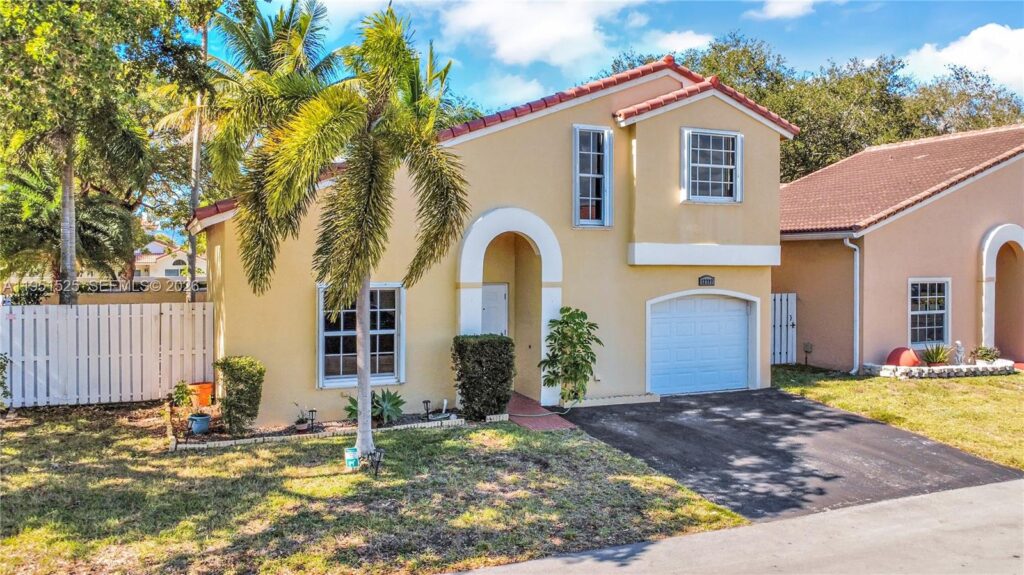
Many property owners fall into the trap of listing their vacant property on the traditional market, expecting a quick sale. When months go by with no offers, or when the only offers come from investors at deeply discounted prices, frustration sets in. Hoping for better offers, they extend the holding period. But the longer a property stays vacant, the more it deteriorates, and the less attractive it becomes to potential buyers.
Properties that have been vacant for months or even years develop a stigma. Buyers begin to wonder why the property is still empty. They worry about underlying issues, and investors, knowing that prolonged vacancy signals trouble, make even lower offers.
Frequently Asked Questions
Why is owning a vacant property stressful?
Vacant properties generate no income while still costing money for taxes, insurance, utilities, and maintenance. They also deteriorate faster without regular occupancy.
What are the hidden costs of a vacant property?
Vacancy can increase insurance premiums, accelerate repairs, create security risks, and add carrying costs that quickly add up.
How does prolonged vacancy affect the property?
Without regular upkeep, small issues like leaks or frozen pipes can escalate into major damage. Long-term vacancy can also make the property less attractive to buyers.
Can I sell a vacant property quickly?
Yes. Investor buyers specialize in vacant properties and can close fast, often even if repairs are needed, relieving you of ongoing costs.
Will selling quickly mean accepting a lower price?
Often, yes. But a fair offer from an investor can save you money compared to months of carrying costs and property deterioration.
How should I decide when to sell?
Assess your property’s condition, carrying costs, and timeline. Acting early usually makes more financial sense than holding out for a perfect offer.
Are there risks to keeping a property vacant too long?
Yes. Long-term vacancy can create a stigma, increase maintenance costs, and reduce buyer interest, lowering potential sale prices.